Category : Teeth whitening

How to Maintain Your Bright Smile After Teeth Whitening

Summary:

Did you undergo a teeth whitening treatment recently? 

If yes, then you must be beaming with a vibrant smile. An effective teeth whitening treatment exudes confidence and can leave a lasting impression on others. 

However, the effects of teeth whitening can fade quickly if you do not maintain your oral hygiene and adjust your lifestyle accordingly. It’s important to ensure that your results withstand the challenges of your eating habits and overall routine. 
How to Maintain Your Bright Smile After Teeth Whitening_1

Keeping the same in mind, this blog closely examines the dos and don’ts of maintaining an effortless smile. So continue reading as we understand more about the treatment with topics like: 

  • Teeth Whitening – A Comprehensive Overview
  • Understanding Teeth Stains: The Culprits Behind Dullness
  • The Secrets to Lasting Whiteness: A Multi-Pronged Approach
  • Avoiding Common Pitfalls: White Spots and Stains
  • How Long Do Teeth Whitening Effects Last?

So continue reading as we learn more about teeth whitening in the following sections.

The Teeth Whitening Process – A Comprehensive Overview

Getting the perfect smile is a journey that involves many stages! Professional teeth whitening follows a list of procedures that help you eliminate the stains and discoloration on your teeth for a whiter, shinier smile. 

The process is effortless and straightforward, requiring about one or two sessions. Once you visit your dentist for teeth whitening in Gallup, you will see significant results in a single session, giving your smile a newfound radiance. 

However, the days immediately after an in-office bleaching treatment are critical for maintaining these amazing results. You must follow the basics to avoid your teeth being attacked by two major culprits of dullness. 

Let’s learn more about it in the next section. 

Understanding Teeth Stains: The Culprits Behind Dullness

Before we go into maintenance measures, let’s talk about the enemy of a dazzling smile: dental stains. These undesirable discolorations result from two basic causes:

  • Chromogens: Chromogens are pigmented chemicals in food and beverages (e.g., tea, coffee, and red wine). Once you consume such products, they easily attach to your tooth enamel, resulting in extrinsic stains on your whitened teeth.
  • Dentin Discoloration: Dentin is a layer that underlies the enamel. Originally white, it gets yellowish as you age or due to intrinsic causes such as medications. Dentin discoloration is a significant issue; you can’t whiten your dentin with normal whitening tips or hacks. 

Teeth whitening procedures are great for targeting external stains and chromogens. They are designed to give you a bright smile while protecting it from further dullness and pigmentation. 

The Secrets to Lasting Whiteness: A Multi-Pronged Approach

Now that we have an idea of the teeth whitening procedure and the primary agents staining your smile let’s explore some secrets for long-lasting whiteness of your teeth: 

Follow the Fundamentals of Brushing and Flossing

This may seem like a no-brainer, but basic dental hygiene is indispensable for a healthy and bright smile. Brushing twice daily for two minutes using fluoride toothpaste and a soft-bristled toothbrush is the key to a good smile. 

Flossing once a day eliminates plaque and food particles from between teeth, reducing stain accumulation in difficult-to-reach regions.

Be Good With Your Diet Diplomacy

You are what you consume! 

Here’s a food strategy for a radiant smile:

  1. Consume Bright-Colored Fruits and Vegetables: Celery, apples, pears, and other crunchy fruits and vegetables serve as natural teeth whiteners, gently eliminating surface stains.
  2. Limit the Stainers: Red wine, tea, coffee, and dark-colored fruit are the key causes of teeth stain. While full abstinence may be unrealistic, moderation is essential. Drinking beverages with a straw reduces contact with teeth, and washing your mouth with water afterward can make a lot of difference.
  3. Consume Dairy Products: Cheese and milk can help neutralize acidic content in the mouth, leading to discoloration. Consume them in moderation as part of a healthy diet.

Strategic Use of Whitening Toothpaste and Mouthwash

Whitening toothpaste, and mouthwashes, while definitely cannot replace professional Teeth whitening, play an integral role in maintaining your bright smile. Look for products containing gentle bleaching agents or polishing minerals for a subtle whitening effect and stain prevention. Opt for alcohol-free mouthwashes to avoid dryness, which can worsen staining.

Touch-Up Treatments for a Confidence Boost

While it’s not a substitute for teeth whitening by dentists in Gallup, New Mexico, whitening toothpaste and mouthwash can help add that extra dazzle to your smile. 

Look for products with light bleaching chemicals or polishing minerals to achieve a modest whitening effect and for stain prevention. Choose alcohol-free mouthwashes to reduce dryness, which can exacerbate discoloration.

Regular Dental Checkups are Your Smile’s Best Friend

Consider using at-home whitening trays or strips between professional treatments to increase whitening results. Consult your dentist to confirm these products are appropriate for your teeth and whitening objectives.
How to Maintain Your Bright Smile After Teeth Whitening_2

Lifestyle Tweaks for a Whiter Future

Smoking and extensive tobacco usage can severely discolor teeth. Quitting smoking improves your overall health and is an important step toward a brighter smile. Besides, certain drugs may also discolor teeth. Therefore, it’s best to consult your dentist about your concerns.

Avoiding Common Pitfalls: White Spots and Stains

If you have just had teeth whitening, you should be meticulous about keeping certain things at bay. 

In this section, we’ve listed some everyday things to avoid after your treatment: 

Staining Foods

Following a teeth whitening treatment, it is best to avoid stain-causing beverages and meals with a strong color. Dark liquids like coffee, red wine, and tea, as well as other colored meals like tomato-based sauces and berries, should be taken in moderation.

White Spots After Whitening

Excessive fluoride exposure or demineralization is a leading cause of white patches on teeth following whitening. To avoid these spots, it is advisable to follow a balanced oral care regimen using fluoride toothpaste, and limiting your fluoride consumption from other sources. Additionally, regular check-ups will help guarantee that other concerns are addressed promptly.

Debunking the Myth 

There’s a common myth among patients opting for teeth whitening: “Toothpaste and orange juice are a big ‘NO’ after teeth whitening.”

While you must practice caution with both, this is a widespread misconception. Toothpaste is mildly abrasive and does not instantly reverse the benefits of whitening. Meanwhile, modest consumption of orange juice shouldn’t be a concern. 

Moderation is Key

We don’t recommend extensive avoidance. Remember, maintaining results depends on how wise you are when it comes to choosing your eating habits and lifestyle. 

How Long Do Teeth Whitening Effects Last?

In-office tooth whitening is only effective for a limited time. Depending on the individual, it can last anywhere from a few months to three years. If you smoke or consume red wine, tea, or coffee, the look will fade with time and leave stains in your smile’s natural dentin. You should regularly undergo fluoride cleaning treatments to ensure the success of your teeth whitening process.
How to Maintain Your Bright Smile After Teeth Whitening_3

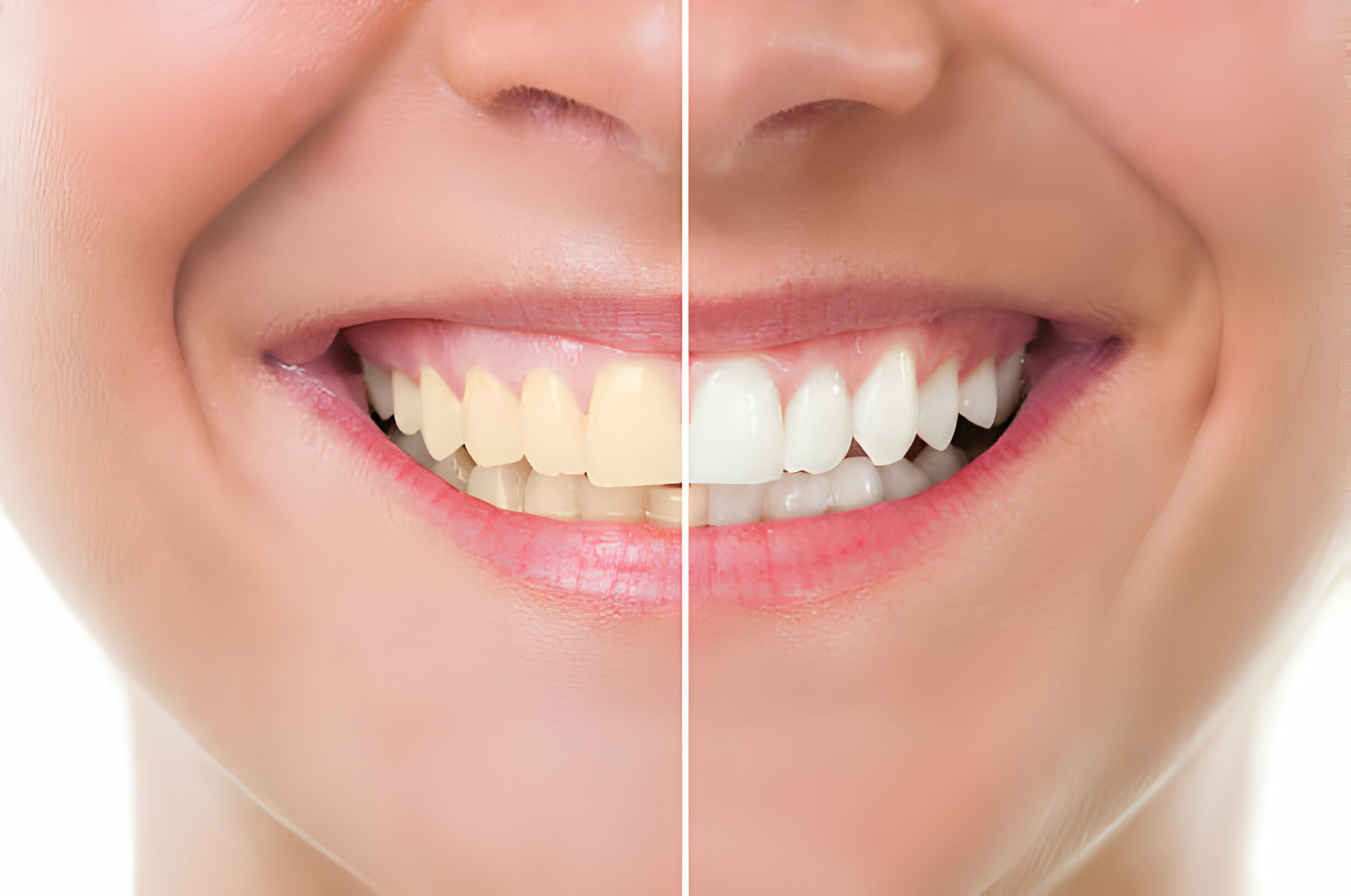
If you believe your yellow teeth are beginning to show again, you might seek touch-up treatments. Touch-up treatments are vital for keeping your natural teeth looking their best and can help restore your teeth’s natural luster.

Takeaway

  • Professional teeth whitening follows a list of procedures that help you eliminate the stains and discoloration on your teeth.
  • Following a teeth whitening treatment, avoiding stain-causing beverages and meals with an intense color is best.
  • Flossing once a day eliminates plaque and food particles from between teeth, reducing stain accumulation in difficult-to-reach regions.
  • Toothpaste is mildly abrasive and does not instantly reverse the benefits of whitening. 
  • Are you still trying to understand the multi-faceted possibilities of teeth whitening? Don’t worry; let the Sundance of Gallup experts help you today! 
Achieve a Brighter Smile: The Ultimate Guide to Teeth Whitening

Summary

Are you worried about your pearly whites not radiating the shine anymore? 

Or, maybe age has caught up with you, and your lifestyle makes it impossible to follow healthy oral hygiene? 

If so, you aren’t alone! Around 37 million Americans have a similar feeling about their smiles, most switching to different teeth whitening procedures for an improved smile. 

Achieve a Brighter Smile: The Ultimate Guide to Teeth Whitening_1

Although teeth bleaching is one well-defined procedure, it involves multiple steps or techniques. This can confuse individuals and force them to settle for the wrong option. 

So, this is your go-to guide if you are considering professional treatment for teeth whitening in Bloomfield or DIY home remedies. In this blog, we will take a closer look at the different aspects of teeth whitening with topics like: 

  • Why Does Tooth Discoloration Happen Anyway? 
  • Teeth Whitening Methods – Explored in Detail
  • Tips to Maintain the Effectiveness of Your Teeth Whitening Treatment
  • What’s Best for You?

Continue reading as we learn more about the process in the following sections. 

Why Does Tooth Discoloration Happen Anyway? 

You may wish to whiten your teeth if they have become discolored or stained, making them seem yellow or white.

But have you ever wondered what led to this in the first place? 

Everyday meals and beverages, including coffee, wine, tea, spaghetti sauce, and curry, can all cause tooth discoloration. Teeth may also be discolored due to smoking, tobacco use, poor dental hygiene, and some medications, which can leave persistent stains inside them.

Tooth staining can be classed into two categories, namely: 

  • Extrinsic Stains: An extrinsic tooth stain is a stain on the tooth’s surface. It occurs when colored residue from foods, beverages, and tobacco accumulates in the protein layer of the tooth enamel.
  • Intrinsic Stains:  Intrinsic stains penetrate deeper into the tooth. Various factors, including small fissures in the enamel, some medications, or decay, can produce such stains. 

Teeth Whitening Methods – Explored in Detail

Teeth whitening is a cosmetic dental procedure that lightens teeth and enhances smiles. The method can be used to achieve different degrees of whitening. For instance, it can restore the original shade of your teeth or whiten your pearly whites beyond that. 

Today, we have a variety of teeth whitening procedures and products, all associated with the common goal of bleaching cavities. This section looks at the different methods and how they bring you results. 

Achieve a Brighter Smile: The Ultimate Guide to Teeth Whitening_2

Home Whitening Kits

When talking of different bleaching options, home whitening kits rank #1. Their ease of use offers a more structured approach to teeth whitening. They are mostly available in strips or trays and can be used over a specific period to gain a certain level of shine. 

How to Use the Different Home Whitening Kits?

Whitening Strips

Whitening strips are flexible plastic strips that apply a tiny coating of bleaching chemicals directly to teeth. These strips generally use hydrogen peroxide to give you a noticeable shine. 

How to Use? 

Whitening strips are usually put directly to the teeth between 30 minutes and an hour. Follow the label’s instructions strictly. Incorrect usage can cause dental sensitivity, gum inflammation, and enamel erosion.

Whitening Trays

This bleaching method includes applying bleaching gel to the teeth using tailored protective trays. It employs oxidizing substances such as hydrogen peroxide or carbamide to brighten teeth color. 

How to Use? 

Follow your dentist’s instructions for filling the tray with bleaching solution and wearing it on your teeth for the required period. Achieving the appropriate shade using home kits might take a few days to several weeks.

Professional Teeth Whitening Options

Professional teeth whitening by dentists in Bloomfield is a great option for individuals seeking more immediate and powerful results. As the name suggests, these procedures are performed at a dentist’s office and generally require a visit once or twice to get the desired results. 

The teeth bleaching procedure usually involves the following steps:

Stage I: Initial Consultation

If you opt for professional bleaching, you must start with a consultation with your dentist. The initial consultation helps you determine the best treatment plan, depending on your oral health and desired results. 

Stage II: Preparation & Treatment Application

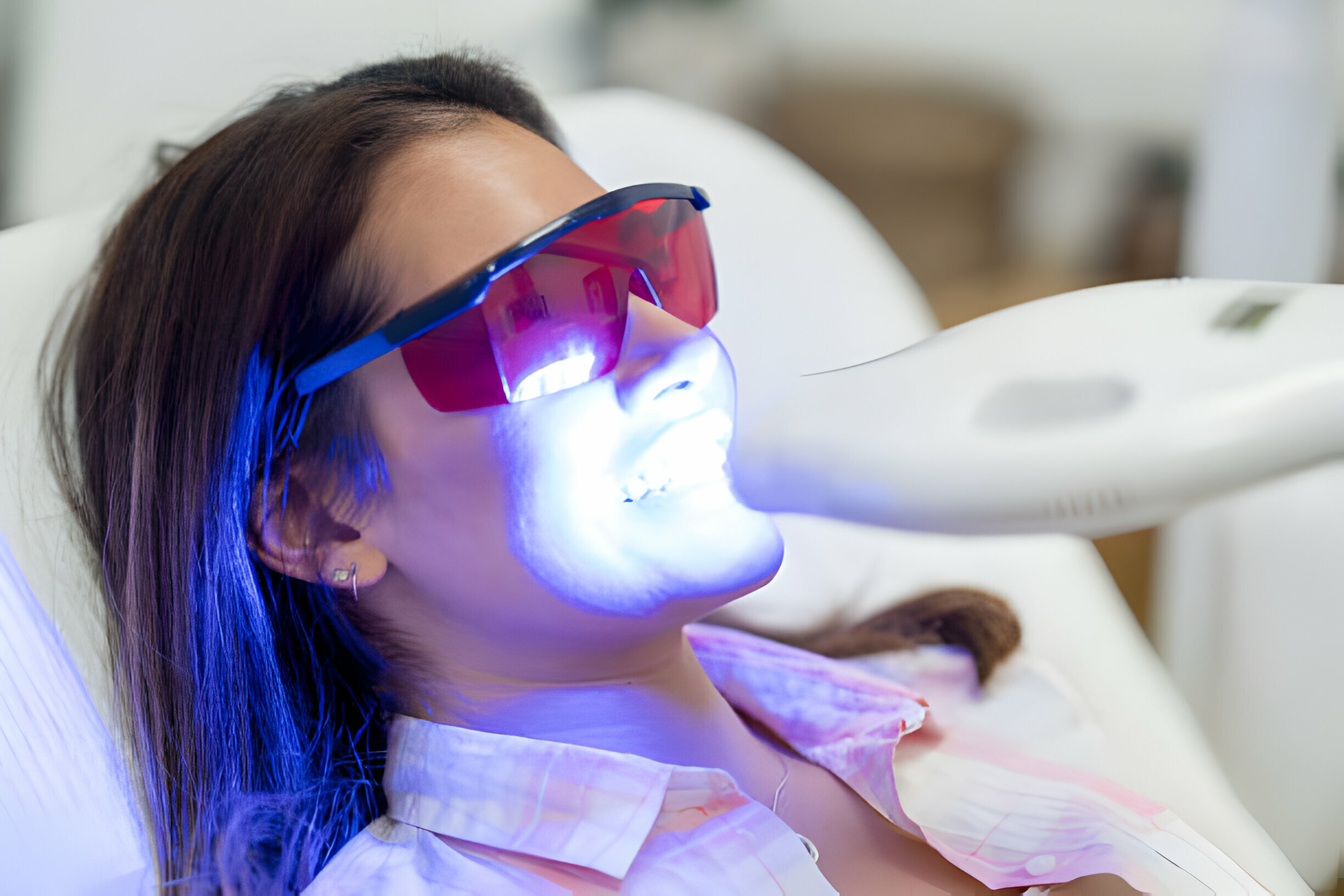
The second stage begins with the dentist covering your gums and lips before applying the bleaching agent to your cavity. The bleaching agents usually contain hydrogen or carbamide peroxide to remove the stains. The gel is further activated using a blue UV light or laser to enhance the results. 

Stage III: Post Treatment Care

Your dentist will give you certain instructions for maintaining your renewed smile. Follow them to ensure the longevity of your newly whitened teeth. 

DIY Teeth Whitening Techniques

As the name suggests, Do-it-yourself methods can be a great starting point for those looking for cost-effective and convenient solutions. 

DIY Teeth Whitening Ideas:

  • Opt for a diet rich in fruits and vegetables.
  • Rub banana, orange, and lemon peels. 
  • Brush with baking soda and hydrogen peroxide paste.

Tips to Maintain the Effectiveness of Your Teeth Whitening Treatment

The Power of Brushing and Flossing

The foundation of a brighter smile begins with a simple but important habit: cleaning your teeth regularly. Begin brushing twice a day with a whitening toothpaste. 

Ordinary toothpaste is not intended for stain removal or teeth bleaching. You should also floss at regular intervals. Flossing removes bacteria that might create plaque from difficult-to-reach places, which may cause your teeth to appear yellow.

Baking Soda and Hydrogen

Baking soda and hydrogen peroxide are the two most popular at-home teeth whiteners. While hydrogen peroxide has been shown to whiten teeth, it is essential to use it cautiously. Consuming high amounts of hydrogen peroxide can be dangerous. 

However, appropriately mixed with baking soda can significantly help tooth bleaching. To achieve the best results, pair it with an efficient teeth-whitening solution that contains tooth-strengthening ingredients like fluoride. 

Achieve a Brighter Smile: The Ultimate Guide to Teeth Whitening_3

What’s Best for You?

Given the plethora of methods and their uses, you might wonder which is best for achieving a great smile. 

Interestingly, there is no right or wrong method or product for teeth whitening. You can settle for any specific method (as long as your dentist supervises it).

However, stick to in-office whitening if you have sensitive teeth or want quick results. Conversely, in-home treatment can be a great option to whiten your smile on a budget. 

Be Cautious with Your Treatment!

Teeth whitening can be considered a component of total dental hygiene and maintenance. Bleaching procedures, like brushing and flossing, can help to maintain healthy teeth and gums by eliminating surface stains and enhancing oral appearance. 

It is a reasonably short and non-invasive cosmetic technique that produces practically instant results compared to other dental procedures. Although tooth whitening is quite effective, it is only suitable for some. So, speaking with your dentist will assist you in determining the optimum bleaching method. 

Takeaway

  • Teeth whitening is a well-defined method that includes several methods and processes. 
  • It might confuse people and drive them to choose the wrong option. 
  • There is no correct or incorrect approach or product for teeth bleaching. You can choose any method (as long as your dentist approves).
  • Although teeth bleaching is highly effective, it is not appropriate for everyone.
  • A dazzling white smile can help you restore your confidence and morale. Get your ideal smile with our expert dentists at Sundance Dental Bloomfield.

Know The Truth: Is Teeth Whitening Gum Effective?

Summary

Everybody wants to have a celebrity-like smile! That’s because they are white, perfect, and flawless. It leaves us wondering if they use something different from the rest of us. 

Of course, oral hygiene and proper dental care play a crucial role. However, individuals with discolored teeth can use teeth-whitening products for effective results. Over 37 million Americans utilized tooth whiteners in 2020; teeth bleach gums are among them!

Know The Truth: Is Teeth Whitening Gum Effective?_1

Tooth whitening gum aims to reduce and eliminate surface stains on teeth, improving the smile and boosting the confidence of individuals suffering from tooth discoloration. 

In this blog, we shall discuss topics like: 

  • Teeth Whitening Gum – A Modern Approach to Pearly Whites!
  • Is Teeth Whitening Gum Suitable for You?
  • Benefits of Teeth Whitening Gum
  • How To Use Teeth Whitening Gum? Is It Safe For Everyone?

Continue reading to know if teeth whitening gum is effective in the following sections.

Teeth Whitening Gum – A Modern Approach to Pearly Whites!

Teeth whitening gum is a specially formulated chewing gum that brightens teeth and removes stains or discoloration. It often includes ingredients like baking soda, hydrogen peroxide, or mild abrasives that can help eliminate surface stains on teeth. 

This gum is designed for convenience, offering users a way to freshen their breath while working towards a whiter smile. With regular use and proper oral care, the best whitening gums may gradually enhance tooth color.

Should Consider Using the Gum?

If you’re a busy professional who likes to live on the go, these effective whitening gums could be an excellent solution.

Interestingly, however, that’s not all. In the following section, let’s learn more about the perks of using these gums. 

Is Teeth Whitening Gum Suitable for You?

Teeth whitening gum is a popular choice for those looking to enhance their smile conveniently. However, its suitability varies among individuals, and several factors should be considered before use:

Addressing Surface Stains: 

Teeth whitening gum effectively tackles surface stains caused by substances like coffee, tea, red wine, or tobacco. If your teeth exhibit extrinsic stains on the enamel, whitening gum may prove beneficial.

Overall Oral Health: 

Good oral health, including healthy gums and teeth, is generally a good candidate for teeth whitening gum. It should complement rather than replace regular dental care.

Professional Guidance: 

Before using any teeth whitening professional product, seeking advice from your dentist is prudent. They can evaluate your oral health, identify potential issues, and offer personalized recommendations based on your dental history.

Ineffectiveness for Intrinsic Stains: 

Teeth whitening gum primarily targets extrinsic stains on the enamel. If your discoloration is due to intrinsic factors such as genetics or medication, alternatives like professional dental treatments may be more effective.

Know The Truth: Is Teeth Whitening Gum Effective?_2

Requires Consistent Usage: 

Achieving and maintaining results with teeth-whitening gum necessitates consistent use. Other teeth whitening methods, like professional treatments, may be more suitable if you prefer a one-time solution.

Avoid Irritants: 

Individuals sensitive to specific ingredients commonly found in teeth whitening products, such as peroxide, should exercise caution. Checking the ingredients list and discontinuing use in case of irritation is essential.

Pregnancy and Nursing Considerations 

Pregnant or nursing individuals should consult their healthcare provider before using teeth whitening gum, as some products may contain ingredients with potential implications for pregnancy or nursing.

Age Considerations: 

While generally safe for adults, checking the age recommendations on the product is crucial. Some teeth-whitening gums may not be suitable for children or adolescents. 

Benefits Of Teeth Whitening Gum

Teeth whitening gum has become a popular choice for individuals seeking a convenient and non-invasive method to enhance the brightness of their smile. This innovative product offers several advantages, making it an attractive option for those looking to incorporate teeth whitening into their daily routine.

Convenience: 

Pure whitening teeth gum is a hassle-free way to whiten teeth without special appointments or treatments. It allows users to effortlessly integrate teeth whitening into their daily routine while enjoying the familiar activity of chewing gum.

On-the-Go Whitening: 

The portability of teeth-whitening gum makes it an ideal choice for individuals with busy schedules. Users can easily use teeth-whitening gum at work, school, or on the go, maintaining a consistent whitening routine without disrupting their daily activities.

Stain Removal: 

Many teeth whitening gums contain ingredients designed to remove surface stains from the teeth. These may include mild abrasives or stain-lifting agents, contributing to a cleaner and brighter appearance.

Oral Health Benefits: 

Some gums whitening teeth include ingredients that promote oral health, such as xylitol, which helps prevent cavities and reduces bacterial growth in the mouth. Opting for a teeth whitening gum with added oral health benefits provides a dual-purpose solution.

Cost-Effective: 

Teeth whitening gum is often more affordable than professional dental treatments or custom whitening trays. It makes it a cost-effective option for individuals seeking to improve their smile without a significant financial investment.

Reduced Sensitivity: 

Many teeth whitening gums are formulated with mild ingredients to minimize the risk of tooth sensitivity, making them suitable for individuals with more sensitive teeth.

Maintains Effective Whitening Results: 

Regular use of teeth whitening gum can help sustain the results of other whitening treatments, whether professional or at home. Incorporating teeth-whitening gum into your routine contributes to maintaining a brighter smile.

How To Use Teeth Whitening Gum? Is It Safe For Everyone?

Select a dentist-approved product to use teeth whitening gum effectively and ensure your teeth are clean before chewing. Chew the gum thoroughly for 15 minutes, following the recommended usage guidelines. Incorporate it into your oral care routine for consistent results, but remember to maintain regular dental hygiene practices. 

Know The Truth: Is Teeth Whitening Gum Effective?_3

While tooth-whitening gum is generally safe for most individuals, it’s crucial to consider individual variations. Consulting with a dentist in Gallup, New Mexico before use, especially for those with existing dental issues or sensitivities, is advisable. Pregnant or nursing women and individuals with ingredient allergies should exercise caution. 

Following recommended guidelines is essential to prevent adverse effects, and excessive use should be avoided. Ultimately, personalized advice from a dental professional ensures the safety and suitability of teeth-whitening gum for individual circumstances.

Takeaway

    • Teeth whitening is an effective oral hack! Over 37 million Americans use tooth whiteners to improve their smile.
    • These whitening solutions are prepared using baking soda, hydrogen peroxide, and mild abrasive. 
    • If you’re using the gum variant of teeth whiteners, chew them for nearly 15 minutes to get effective cleaning. 
    • Pregnant or nursing mothers with ingredient allergies should be careful while using this gum.  
    • Still, have your doubts about teeth gum whitening? Connect with our professional at Sundance Smiles today!

Everything You Need to Know About Professional Teeth Whitening

White teeth have often been the synonym for good oral health. Besides, the desire and pursuit for healthier, whiter teeth is nothing new. Even though a slightly yellow or perfectly dingy smile is natural, the hunt for aesthetics has led people to opt for dental tooth whitening. 

The concept of teeth whitening has changed significantly over the last few decades. Today, people use different teeth whitening options or consult professionals to bleach their teeth effectively. Interestingly, despite the wide availability of teeth-whitening procedures, there’s still a lot of misconception and mystery surrounding professional tooth-whitening treatments performed in dentists’ offices.

So if you’ve been thinking of professional teeth whitening, this blog is for you. Continue reading as we understand more about bleaching teeth at the dentist in the following sections of this blog. 

How Does Professional Teeth Whitening Work?

Professional teeth whitening is an effective treatment procedure. It uses carbamide peroxide and hydrogen peroxide as a whitening agent to remove yellow patches from your teeth surface. During professional teeth whitening by a dentist, these chemicals are applied as a concentrated whitening gel. 

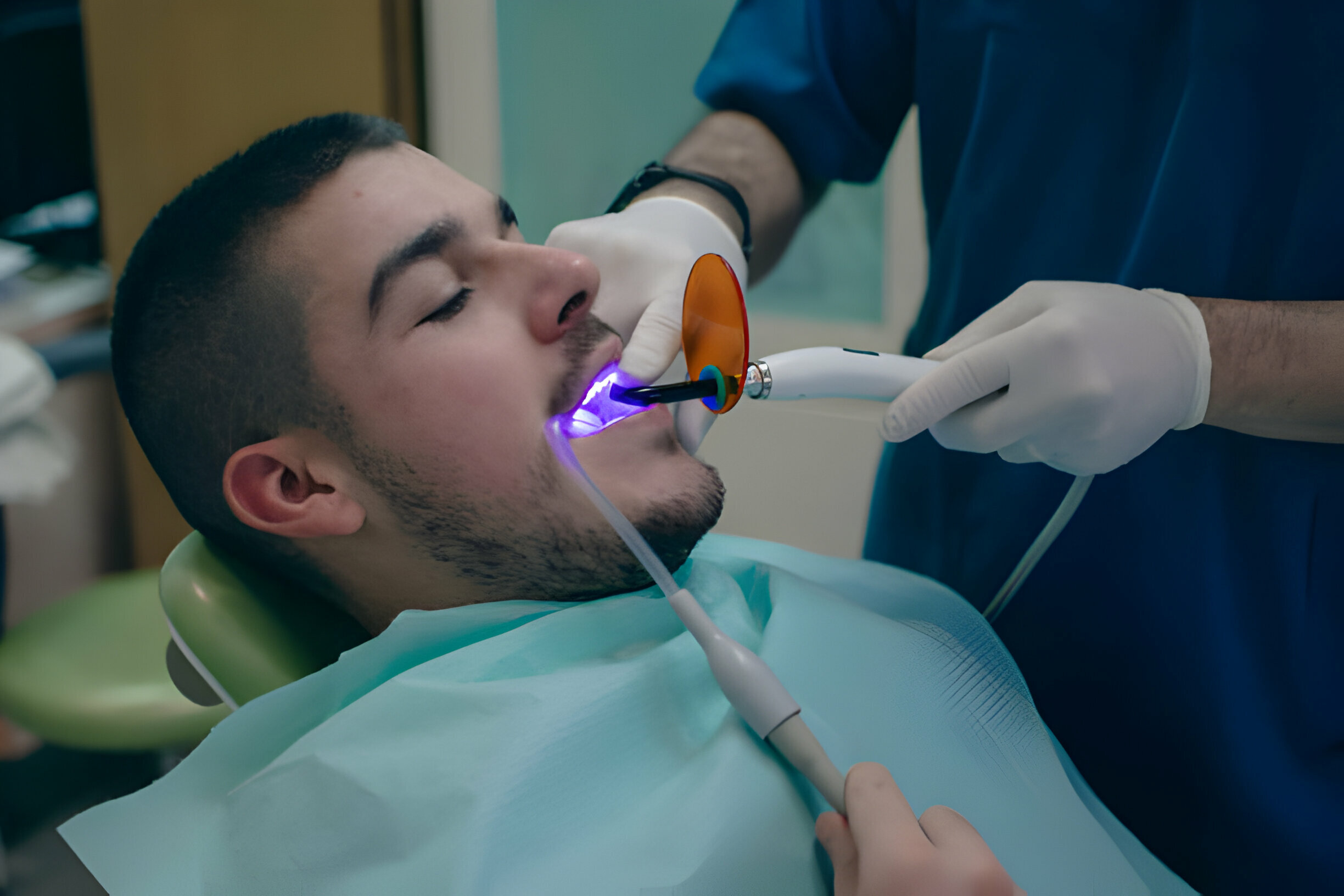
Once applied, your dentist will use a UV or a blue light to activate the bleaching process of hydrogen peroxide. The hydrogen peroxide will start bleaching the ingrained spots as soon as it becomes active, penetrating your enamel. 

On the contrary, you can also opt for over-the-counter bleaching teeth solutions like whitening kits and strips, among other options. While these options also work effectively, they are much lighter and take longer to show results.

So now that we know how professional teeth whitening works, let’s look at the steps involved in the process in the following section.

Steps Involved In Teeth Whitening

Stage I: Careful Assessment

One reason you shouldn’t do teeth whitening by yourself is to understand the current status of your oral health. When you opt for teeth whitening by the dentist, you get to converse with a dentist and their staff. 

Consulting a professional will help you understand that not every stain can be removed using traditional methods. Some stains require different treatments.

No teeth-whitening procedure will work if the stains on your teeth are due to injury, illness, or side effects of some medication. Such cases would require other aesthetic dentistry treatments, which your dentist in Gallup will suggest. 

This evaluation also allows you to discuss any unique tooth sensitivity the dentist should consider during the procedure.

Stage II: Taking Care Of Color

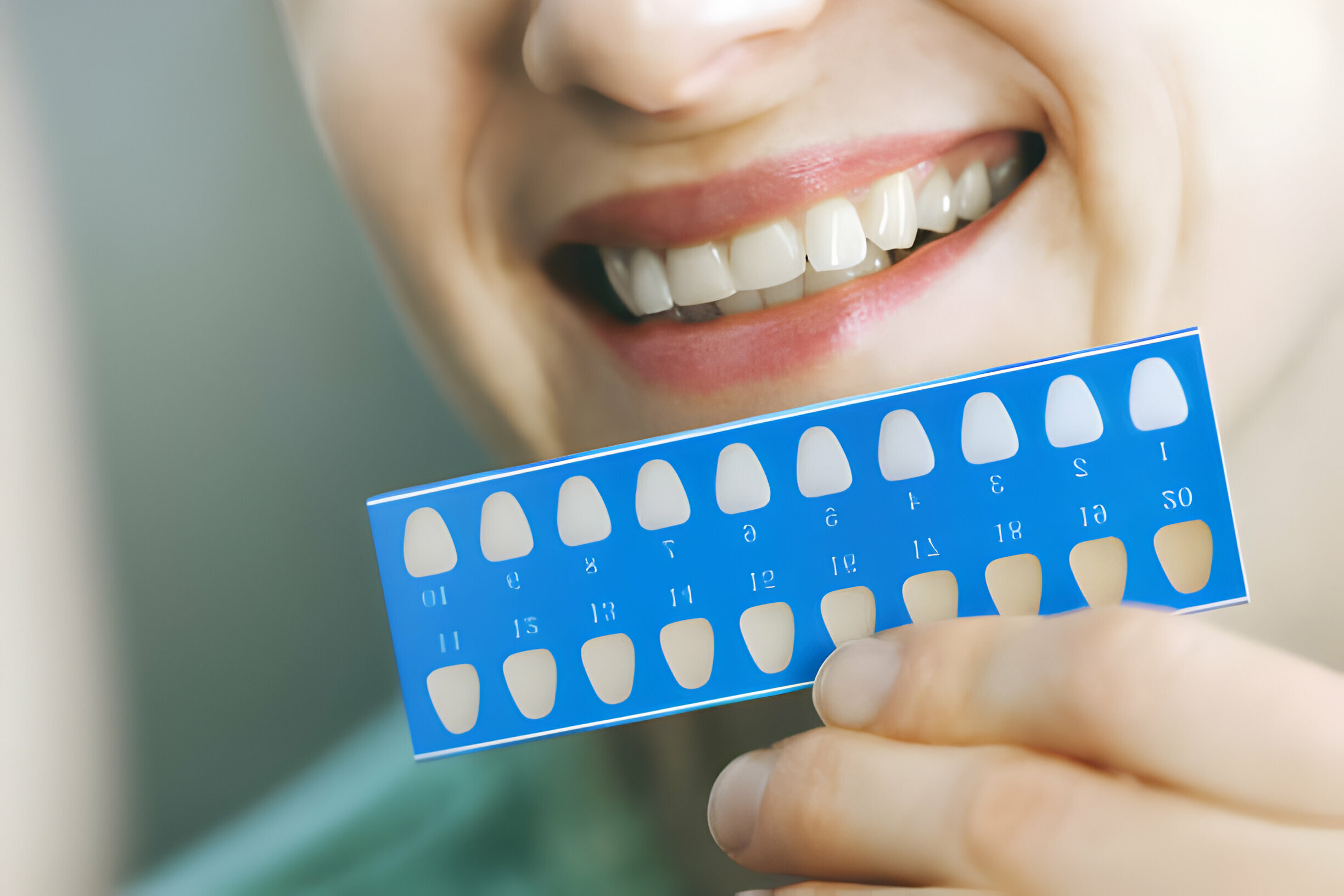
Upon visiting a professional for teeth whitening in Mexico, they’ll use a shade guide to record the color of your natural teeth. After all, our teeth aren’t genuinely white; you might be astonished at how discolored they are both before and after professional whitening. 

Besides, even the whitest teeth aren’t completely white. If you start by noting the color of your teeth, your whitening dentist will be able to monitor your progress and make any necessary modifications to get the desired results.

Stage III: Plaque Removal

A biofilm or a plaque is a layer that forms on your teeth. If you don’t remove it before whitening, plaque can hinder the whitening components’ ability to treat the spots on your teeth’s enamel. Professional whitening has another benefit over at-home alternatives until you become skilled at cleaning the plaque on your teeth.

Stage IV: Drying

For the next step, your tooth whitening dentist will ensure that your teeth are as dry as possible before applying whitening agents and exposing your teeth to UV radiation. 

To keep specific areas of your mouth dry, your dentist may also install rubber dams. The barriers also benefit from preventing your tongue and gums from being irritated by the whitening substances.

Stage V: Whitening

In the final stage, a gel substance that is high in hydrogen peroxide will cover your teeth and dissolve tooth stains. As mentioned earlier, laser light activates the chemicals in the teeth, accelerating the bleaching process.

Once done, the white teeth procedure will be completed in 60 or 90 minutes. The end results would be teeth whitened by up to eight shades. With careful attention to regular dental maintenance and certain healthy eating and drinking habits, your newly whitened teeth will remain that way for up to a year. Besides, if you quit smoking, it can be considerably longer than any over-the-counter choice.

Now You Know!

Having whiter teeth adds to your aesthetics and significantly boosts your confidence. While both over-the-counter and professional teeth whitening by dentists are the ways to go, the latter is more effective than the other measures. 

So now that you have an idea of the steps involved in the process, when are you planning to show your flawless smile?

Considering White Teeth In Gallup?

Yellowing teeth can be a common factor due to lifestyle choices, eating habits, or age. Don’t let yellow teeth impact your smile; let our Sundance Dental & Orthodontics experts give you the perfect smile makeover. Connect with our professionals at 505-722-4422 today!

Know all about whitening your teeth!

Do you have discoloured teeth due to plaque or tartar? Or do you notice some of your teeth are slightly darker than the rest? Well, a teeth whitening treatment can help fix the discolouration in your teeth by brightening the dull ones. This is either done as a standalone procedure or performed after scaling, a dental procedure used to remove impurities and tartar from your teeth. 

Fortunately, teeth whitening is not an invasive procedure, and nor is it expensive if you choose the in-home whitening treatment. You can consider getting treatment from a professional at a dental clinic for long-lasting results, but these are often costly. This post is aimed at discussing all kinds of teeth whitening treatments with detailed procedures for each and their results. Keep reading.

In-Office Teeth Whitening

This is your best bet if you are looking for the safest and most effective teeth whitening treatment. Getting the stain removed and your teeth whitened by a specialist won’t guarantee long-lasting results, but you can have peace of mind knowing that a professional is working on your teeth. The dentists will apply whitening solutions containing bleaching agents directly on the surface of your teeth

It’s performed in conjunction with a laser or light. Either way, the results are noticeable shortly after the procedure. It may take 30 minutes to an hour for a complete procedure. If required, your dentist might ask you to get your teeth cleaned before whitening for a dramatic result. That’s usually needed when your teeth have accumulated a considerable amount of plaque and tartar, and whitening alone won’t fix the level of stain. 

The dentist puts a tool on your mouth to get the best exposure and avoid the chemical reaching the gum. During the procedure, the doctor will assess the condition of your gums and mouth to ensure there are no cavities or any inflammation that can worsen from the whitening solution. It’s the most expensive option on the list but is highly effective.

Whitening Toothpaste

All toothpaste contains certain abrasives that can efficiently remove surface-level dirt. If you are looking for better results, you should get a whitening toothpaste that’s designed specifically for stain removal. These are comparatively more effective than your regular toothpaste and can quickly produce better results. It’s also the cheapest and safest way to get white and bright teeth at home. The toothpaste can range anywhere between $1 and $20, depending on the brand and the chemicals it contains. 

Ideally, you should discuss your teeth whitening goals with a dentist at Sundance Dental Gallup, New Mexico, to get the best recommendation. They will also tell you if you should use teeth-whitening toothpaste at all. If you have too many dental crowns and fillings or have undergone an invasive dental procedure, the use of toothpaste or any whitening procedure for that matter might not be suitable for you. 

Whitening Strips and Gels

Whitening gels and other in-home teeth whitening products contain carbamide peroxide and hydrogen peroxide. That brightens your teeth by removing the stain. Doing it carefully is important to avoid getting these chemicals on your gums or other areas. The biggest benefit of in-home teeth whitening is that it’s cheaper than in-office whitening treatment. 

Coming to the downside, whitening strips do not guarantee the best results. A professional will evaluate the condition of your teeth and show you the normal colour that will match the rest of the teeth. You can choose a shade based on your preference. Regular appointments for the teeth whitening process can also help you get long-lasting results and a perfect shade.

Tray-Based Whiteners

This is another try-at-home solution for teeth whitening, involving trays that come with a bleaching teeth procedure solution. You are supposed to wear them for a specific period of time, say 2-4 weeks, every night or 24 hours a day (depending on your goals). 

These whitening trays are available at pharmacy stores, or you can get custom whitening trays from a dentist for a few additional dollars. Priced anywhere between $150 and $500, they are the best solution for discoloured teeth and are also pretty comfortable. They are custom-made to fit your teeth.

Before wearing a tray, talk to the Sundance Dental Gallup New Mexico dentists about how teeth whitening works and whether the trays are safe.

Bottom Line

These are a few effective in-home and in-office dental teeth whitening procedures that can help you get a clean and bright smile. Whichever whitening treatment method you choose, consult a dentist to understand the procedure, cost, and results. 

While in-home whitening seems the most convenient and viable way to get rid of stains, sometimes it is more sensible to consult a professional for the best treatment. 

What Are The Different Types of Teeth Whitening Process?

A dull and yellow smile is the common insecurity that people face when it comes to their appearance. Fortunately, there are several ways of preventing this issue. The bright white teeth whitening process is amongst the best ways of getting a better smile.

Other than teeth stain from drinks and foods, teeth whitening is amongst the best ways to always look bright and nice. There are many ways of getting teeth whitening which you can get through the best dentist.

Regardless of your chosen method, you should always whiten your teeth under the supervision of a dental expert. But first, look at the different types of teeth whitening and their benefits.

Different Types of Teeth Whitening

Whitening trends make their way in and out. The commercials and social media show us how easy several over-the-counter products can be. There are several options from which you can choose. The following outlines several options to help you choose the right option.

  • In-Office Whitening

The two primary ingredients in teeth whitening are carbamide peroxide and hydrogen peroxide. Unlike whitening toothpaste, which uses abrasive ingredients to remove surface-level stains mechanically, the molecules of oxygen inside the whitening agents can weaken the tooth stains on the molecular level.

Choosing the best and most appropriate dentist who can provide you with long-term results is necessary.

In-office whitening treatments are usually completed within shorter appointments but depend on the unique needs. The whitening agent remains on the teeth for about 15-30 minutes, depending on the severity of the teeth’ discoloration. 

The whole in-office process takes roughly an hour and a half. There are many types of in-office whitening treatments, like:

    • Experts apply a higher concentration of the hydrogen peroxide gel with the help of a syringe.
    • Then, hydrogen peroxide has a combination of high-intensity light such as UV, LED, or halogen. The light passes through the laser or lam device, whose placement is directly outside your mouth.

Laser and halogen light increase the teeth’ lightness more than peroxide. As per the study, people with laser or halogen treatment had longer whitened teeth than peroxide users. 

  • The Counter Teeth Whitening Products

Over-the-counter teeth whitening products are available without a prescription. However, visiting the dentist in Farmington NM, is advisable to get the most appropriate products for your dental health.

These teeth-whitening products are mouthwashes, whitening toothpaste, and gels. You can also purchase the OTC teeth whitening kits and strips online or at any local pharmacy.

Some over-the-counter products use the peroxides such as hydrogen peroxide to eliminate and brighten teeth and remove stains. In addition, some people use enzymes, abrasives, or detergents to remove the stained material from the teeth’ surface.

While some of these OTC products help to whiten the teeth, they usually take longer to work than other types of teeth whitening. These teeth whitening kits have bleaching solutions with carbamide peroxide or hydrogen peroxide. 

Different brands offer different levels of hydrogen and carbamide peroxide. Hence, it is necessary to consult the dentist to choose the right formula and brand that suits you.

  • Natural Remedies

The natural teeth whitening process consists of eating healthier, avoiding teeth-staining foods, and jumping on the current trend. If you use tobacco or smoke, they are your primary culprits, and give up on smoking and drinking.

Abrasive drinks like charcoal or baking soda and other rinsing agents such as coconut oil will provide you with the needed benefits. You will have to create brushing habits and rinse your mouth daily. 

The brushing habit should be twice a day, floss, and use mouthwash daily. In addition, chewing sugar-free gum and visiting the dentist’s office may help you get better oral care.

  • Pre-Made Whitening Trays

These have a lining with powerful gel, which brightens the teeth. Depending on the type of trays, you will generally have to wear them for about an hour for some days to see the results.

Since these trays are from the store, they are not ideal to fit in your mouth. If the trays are not fitting, the gel can slip off the tray and get on the gums, which can cause irritation.

  • Customized Whitening Trays

While whitening trays are the same as pre-make ones in terms of application, they are effective and safe for teeth whitening. In addition, since you can customize the trays according to your teeth, you will not have to worry about the gel getting in the gum, which can potentially irritate.

You will get the best results than the store-bought trays because the customized whitening trays come with higher peroxide concentration.

Conclusion

Having a beautiful and luscious smile is not as hard as you think. By opting for any of the methods mentioned below, you can easily get a great smile in no time. Make sure to consult the dentist and learn about the teeth whitening process that suits your needs.

Load More